
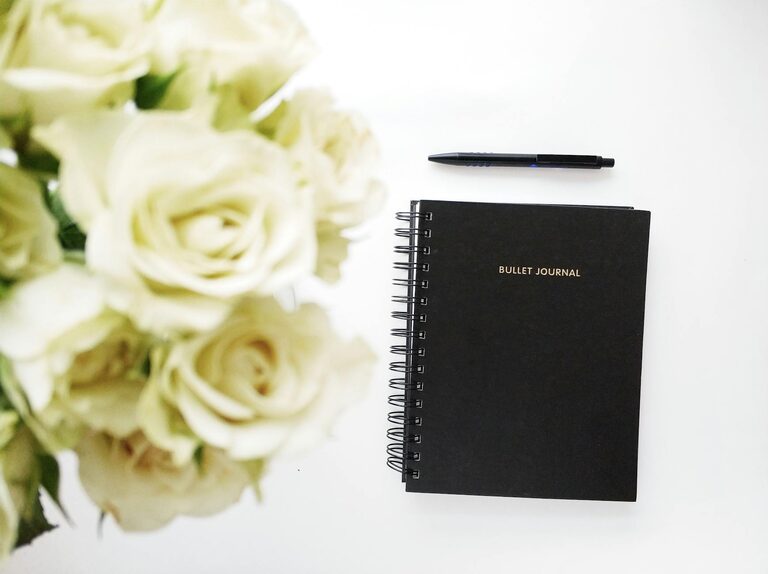
Beginner Guide to Bullet Journaling: Organize Your Life Creatively
Bullet journaling is a versatile and creative method to organize your tasks, events, and thoughts all in one place. Whether you want to boost productivity, track habits, or simply have a creative outlet, bullet journaling offers a flexible way to plan your life. In this guide, we’ll walk through the basics to help you get started confidently.
What Is Bullet Journaling?
Bullet journaling, often called BuJo, is a system developed by Ryder Carroll that combines to-do lists, calendars, notes, and trackers within a single notebook. Instead of relying on digital apps alone, bullet journaling uses simple symbols and layouts to help you keep track of your daily activities as well as long-term goals.
Benefits of Bullet Journaling
– Customizable: You can design your journal to fit your needs and style.
– Mindful Planning: It encourages reflection on your priorities.
– Creative Outlet: Doodle, decorate, or keep it minimal—it’s your choice.
– All-in-One: Combines task management, goal tracking, and journaling.
Essential Supplies to Get Started
All you need to begin is a notebook and a pen, but these supplies can enhance your journaling experience:
– Notebook: Choose dotted or grid notebooks to make drawing layouts easier. Popular sizes include A5 or B5.
– Pens: Fine-tip pens for writing, and colored pens or markers if you want to add highlights or visuals.
– Ruler: For drawing straight lines and boxes.
– Stickers or Washi Tape (Optional): For decoration.
Remember, simplicity is key when starting out. You don’t have to invest in fancy supplies right away.
Setting Up Your Bullet Journal
1. Index
The index is your journal’s table of contents. Leave the first few pages blank to record important sections and page numbers. It helps you quickly find collections or logs later.
2. Future Log
The future log is where you jot down upcoming events, appointments, or goals for the next few months. It’s a big-picture overview.
How to set it up:
– Divide two pages into 4 to 6 sections.
– Label each section with a month.
– Add key dates or reminders for each month.
3. Monthly Log
This spread helps you plan the current month.
Components:
– A calendar grid or list of dates.
– Tasks or goals to accomplish.
– Notes or priorities.
4. Daily Log
Here you record tasks, events, and notes for each day. This is the heart of bullet journaling.
Use simple bullets to differentiate types of entries:
– Task: •
– Event: ○
– Note: –
– Completed Task: X
– Migrated Task: >
You can also add priority symbols like a star (*) or exclamation mark (!).
Creating Your First Bullet Journal Page
Start with the index, then add the future log. Next, create your monthly log. Finally, set up your first daily log.
Example daily entry:
Monday, June 1
– • Finish blog post draft
– ○ Meeting with team at 3 PM
– – Research bullet journaling supplies
– X Finish blog post draft
Mark completed tasks with X and migrate any unfinished tasks to the next day using >.
Customizing Your Bullet Journal
Once you are comfortable with the basics, you can add personalized collections to your journal, such as:
– Habit Trackers: Monitor habits like water intake, exercise, sleep.
– Mood Trackers: Record your mood daily to spot patterns.
– Gratitude Log: Write down things you are thankful for.
– Goal Trackers: Break down big goals into manageable steps.
– Brain Dumps: Jot down thoughts or ideas to clear your mind.
Tips for Maintaining Your Bullet Journal
– Keep it simple: Don’t overwhelm yourself with complicated layouts at first.
– Be consistent: Try to update your journal daily or at regular intervals.
– Reflect regularly: Review your entries to adjust goals and priorities.
– Make it fun: Use colors or doodles if you enjoy adding creativity.
– Adapt as needed: Your journal should work for your lifestyle, not the other way around.
Troubleshooting Common Challenges
– Running out of space? Use collections to group related entries or start a new notebook.
– Lack of motivation? Try a minimalist approach or focus on one area at a time.
– Overcomplicating layouts? Stick to simple symbols and lines until you find your style.
– Falling behind? Don’t stress about perfection. Bullet journaling is flexible—you can migrate tasks or skip days.
Final Thoughts
Bullet journaling is more than just a planner—it’s a tool for self-reflection and creativity. Starting your own journal takes little more than a pen and paper but can offer big benefits in managing your time and goals. Take it one step at a time, experiment with layouts, and enjoy the process of creating a system that fits you.
Happy journaling!
